


Set parameters and add graphic object
Parameter settings:
1. You can modify the parameter settings through Preference Setting in the drop-down menu Settings, or double-click the HMI Parameter Settings in Setting, Project Manager. Then a pop-up dialog box is shown as Figure 3-6 below:
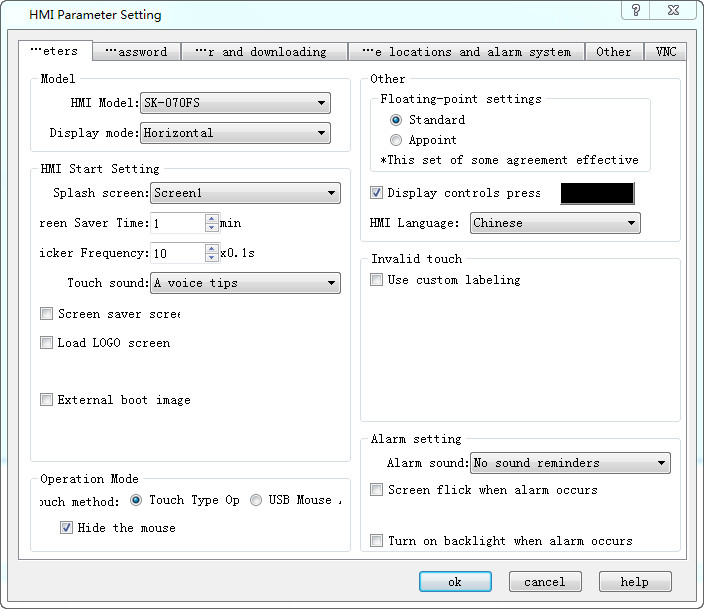
Figure 3-6 General parameter setting dialog box
Ø HMI Model: Change the HMI model through this option.
Ø Display mode: Adjust horizontal or vertical display screen.
Ø HMI Start Setting
l Splash screen: The start screen of HMI when powered on
l Screen Saver Time: Set screensaver time
l Flicker Frequency: Set the flicker frequency of objects or controls which can blink; you can change the speed of flicker by inputting directly a value and clicking the spin button.
l Alarm sound: When the alarm occurs, the touch screen can remind users through sound; the right drop-down menu contains two cases, with or without sound reminder.
l Touch sound: Options in the right drop-down menu can decide Sound reminder or No sound reminder.
l Screensavers screen: Select a screen among the existing screens as screensaver screen; just touch the screen to return the former screen.
l If Load Screen: If choose this option, the HMI will display the selected loading screen after power-on for a certain while, and then switch to the splash screen; thus users can give some tips or notes.
Ø Other settings
l Hide mouse cursor: Whether to display the mouse
l Floating-point settings:
[Standard]: High byte floating point ahead while the low one behind;
[Appoint]: users determine the order.
l Invalid touch: Select the "Use custom labeling", which means touchable controls cannot be touched, then the picture marking the control chosen by user is untouchable.
l Display controls pressing effect: SKTOOL is newly added pressing effect display. When the pressing effect is applied, rectangular pressing trace will appear if users touch the control. The pressing trace color depends on user’s preference. Currently Bit switch, Word switch, Screen button, Function button, Numeric input and ASCII input controls support this effect. The default is No effect.

Pressing effect of elliptical controls is still a rectangle.
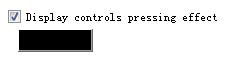
Figure 3-7
2、Set user password
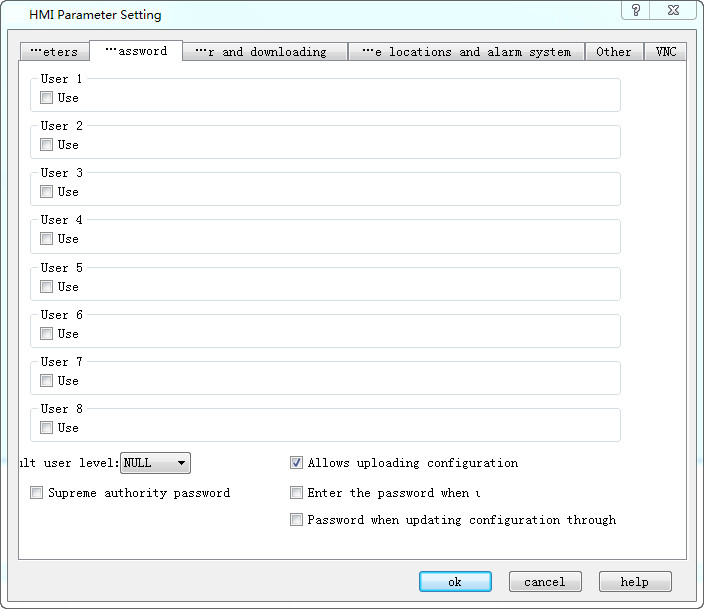
Figure 3-8 Set user password in HMI parameter setting dialog box
This function has 8 sets of user password, each of which has eight levels of password for users to choose.
l The default user level: The current default user class is NULL.
l Allow uploading configuration: If select this option, you can upload the project from HMI to PC; otherwise it cannot be uploaded.
l Enter the password when uploading: Whether uploading projects requires a password.
l Password when updating configuration through U disk: The password set up, the password is necessary when you update the HMI configuration projects through U disk.
l Supreme authority password: This password can operate all controls limited by grades.
l Upload: Whether this password enables upload configuration projects from HMI to PC.
l Permissions: Whether this password can perform all limiting operations.
3.Settings of connection to the printer and downloading
Click "Settings of connection between HMI and printer" button, as shown in Figure 3-9:
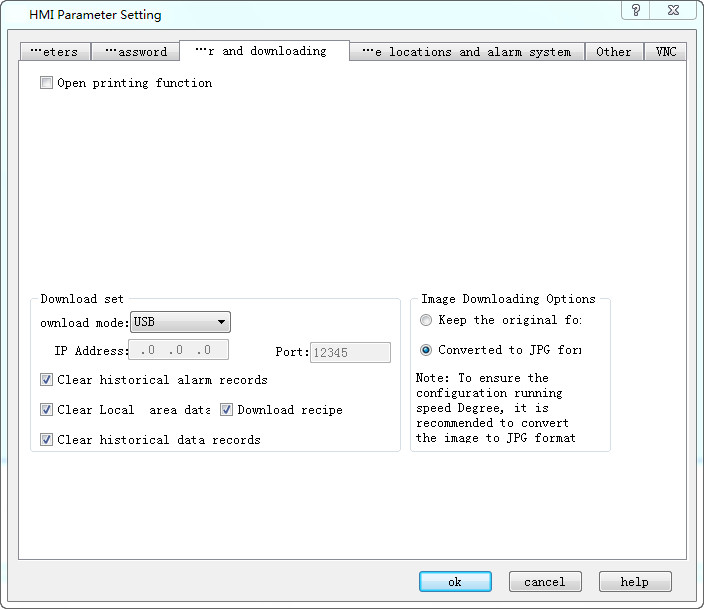
Figure3-9 Settings of connection between HMI and printer
This page contains parameter settings of connection between the printer and the HMI; users can select corresponding parameters according to printer models.
Download settings:
l Download mode: Users need to select USB or Ethernet connection to download. If choose the Ethernet, it’s necessary to set the IP address and port number (IP address and port number are those of the HMI).
l Clear historical alarm records: Whether to clear the history alarm information before downloading.
l Clear historical data records: Whether to clear the history data information before downloading.
l Download Formula: Whether to download formulas in the current project to the HMI.
Image Downloading Options:
l Keep the original format: Selecting this option means retain the image format unchanged when downloading.
l Convert to JPG format: Convert all images to JPG format before downloading them into HMI.
(Note: Due to the larger space occupied by BMP format images, it’s suggested to select this option.)
4.Storage location and alarm system, as shown below
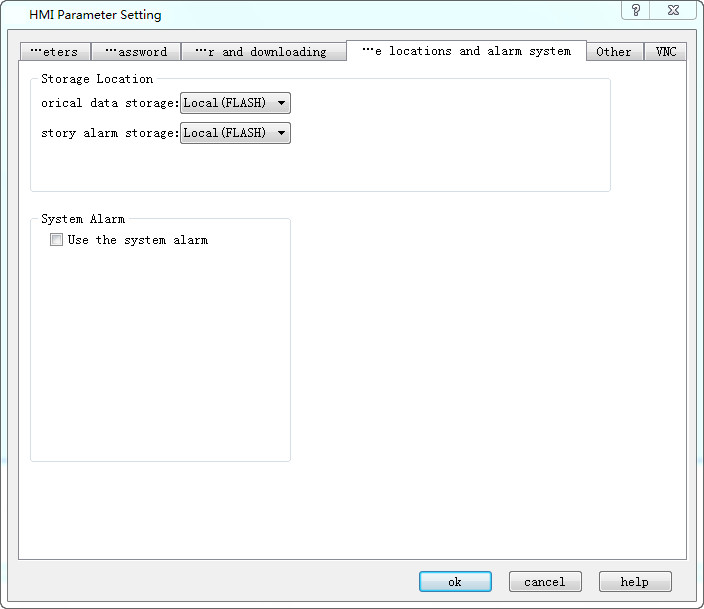
Figure 3-10 Saving position and system alarming setting dialog
Ø Storage location: Location for historical data, historical alarm and screen shots. Provide "Local (FLASH)", "U disk" three options for users to choose according to their need. The default is Local (FLASH).
Ø HMI IP: Set touch screen network parameters
Ø Alarm system
Use the alarm system: Whether to use the system alarm. When an alarm occurs, the alarm system displays the current alarm information at the top or bottom of each screen according to the options set by users.
Alarm background color, Text color, Font and Font size, these are attributes options of the alarm display system. Users can set these options as needed.
Way of display: "Always display" refers to the alarm displayed all the time; "Cyclic display" means that alarm display or disappear within a certain period to achieve the flicker effect.
Position of alarm bar: Choose the position where the alarm bar appears.
5.Other setting,as show below
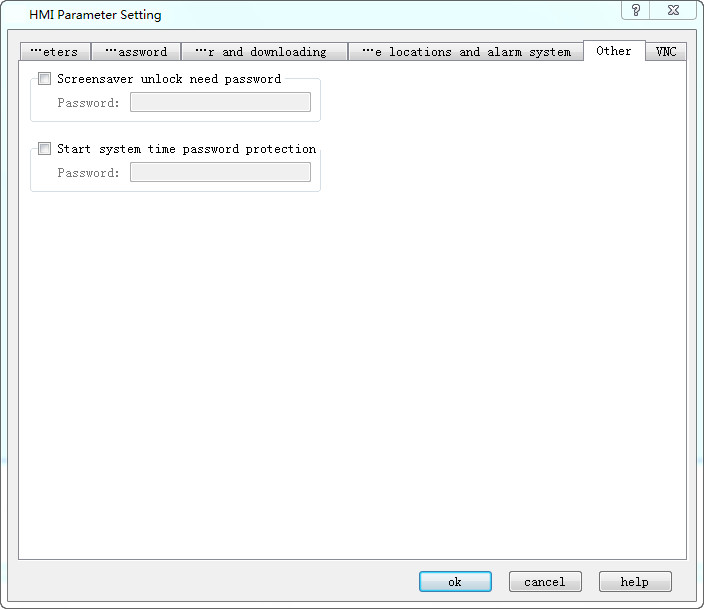
Figure 3-11 Screensaver unlock need password
Ø If checking out this section,user need to input this password when unlocking the screensaver.
Ø Start system time password protection: When you enable this option, you need to properly enter the password set here when modifying the touch screen system time, allowing the user to modify the touch screen system time
6. VNC Settings
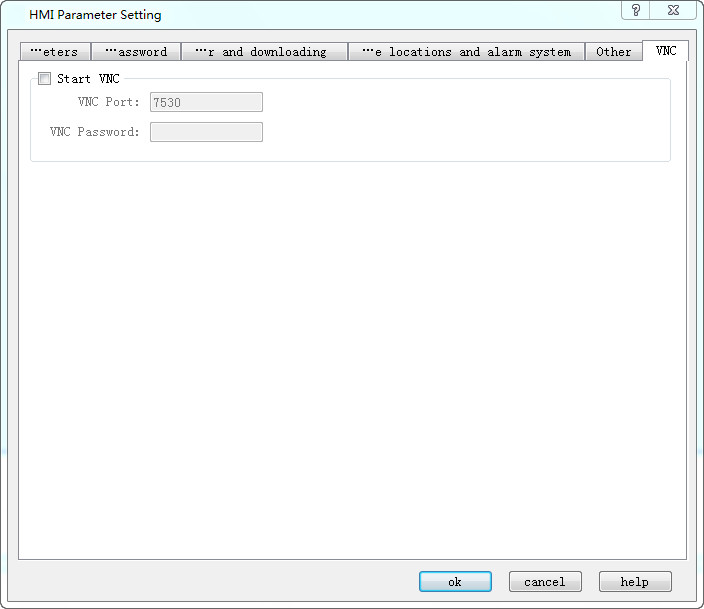
Ø Start VNC: Enable VNC Settings
Ø VNC Port: Set the VNC port number
Ø VNC Password: Set the VNC connection password
The special type touch screen supports remote through the VNC connection touch screen operation, detailed reference to the “VNC connection”

Change of the screen saver time is not valid until "Screensaver screen" is chosen; just touch the screen of screensaver to return to the former screen.